Colin Hall - Stoney Middleton Heritage | History, Trails & Things to Do - Page 15 of 19
-1
archive,paged,author,author-colin-hall,author-2,paged-15,author-paged-15,wp-theme-bridge,wp-child-theme-bridge-child,bridge-core-3.3.5.1,qi-blocks-1.5.4,qodef-gutenberg--no-touch,qode-optimizer-1.2.3,qode-page-transition-enabled,ajax_fade,page_not_loaded,,qode-title-hidden,qode-smooth-scroll-enabled,qode-child-theme-ver-1.0.0,qode-theme-ver-30.9.1,qode-theme-bridge,disabled_footer_bottom,wpb-js-composer js-comp-ver-9.0.1,vc_responsive

Besoms were used by everybody for sweeping up, they were the only type of broom available prior to more modern bristle brushes being introduced. Stoney Middleton has been known for its besom making and 100 years ago the workshop of William Jupp was above the smithy. Many people...

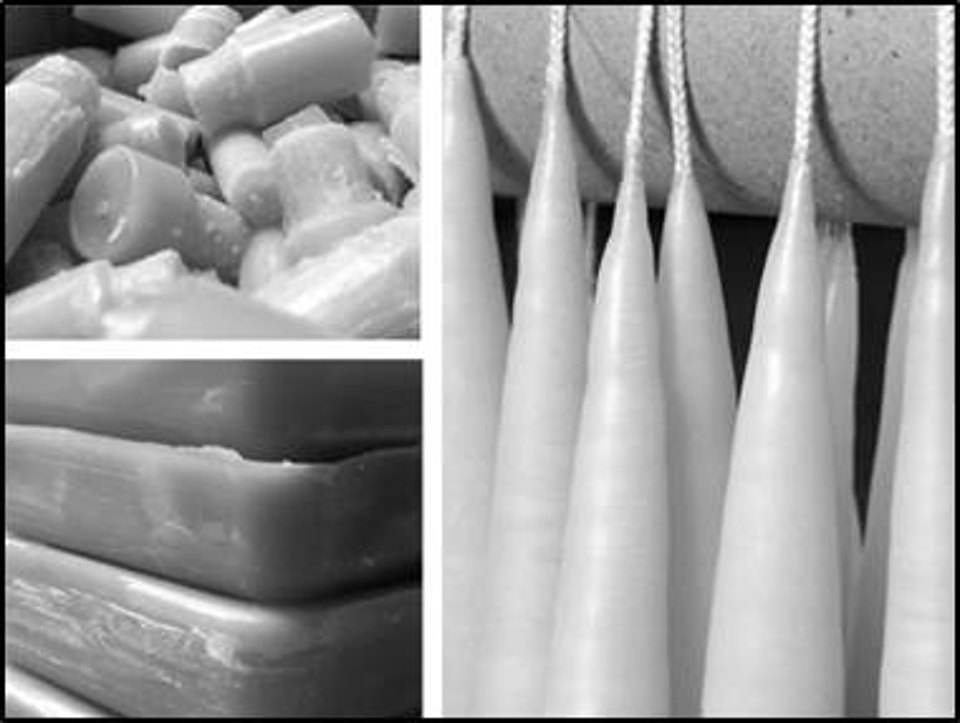
Local candle making was important for and for a long period candles were the main form of lighting for everybody. They were of specific importance to an industrial village like Stoney Middleton, providing the only light for lead miners deep underground and lighting the many boot...

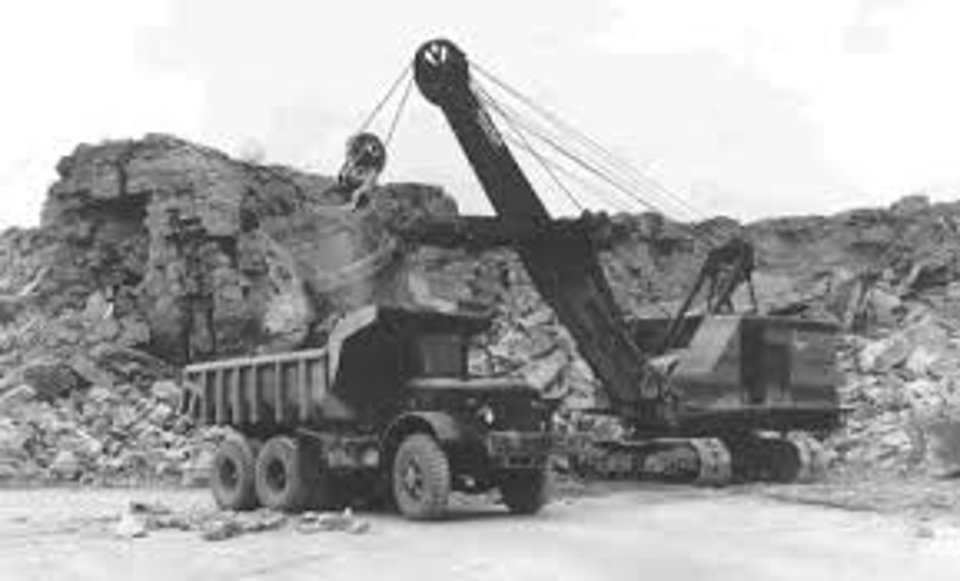
Limestone has been quarried in Stoney Middleton dale for centuries, a principle industry and employer during the last century. Thousands of tons of rock have been removed to produce vital minerals and metals and to simply provide stone for construction.The village had many quarries along...

Fluorspar is a critically important industrial mineral which has been mined and processed in Stoney Middleton for hundreds of years and is today the only producer in Britain. Fluorspar is a mineral (calcium fluoride) found with limestone having been deposited within the fissured rock during volcanic...

Lead Smelting is a process where lead is extracted from Galena (lead sulphide) or lead ore. Galena is found in limestone in rakes (seams or veins). Once mined the lead is extracted from the ore by heating it known as smelting. Stoney Middleton Dale had ideal conditions for smelting, it had steep slopes necessary for the draft...

Lime kilns were a major feature of the village until the 1960’s. There are remains of three kilns left in the village including the parish kiln used by farmers for lime to spread on their fields. Burning lime was a very unpleasant activity producing much smoke...

People have mined lead in the Peak District for thousands of years including the Romans, as evidenced by the discovery of several Roman pigs (blocks of lead) found in the area. Lead mining remained a major industry in the area until its decline the 1850’s. Early...